

Fewer Tests to Rule Out Blood Clots in the Lungs in Children: The PECARN BEEPER Study
BEEPER featured image — pediatric ED clinician evaluating a child at the bedside, no imaging equipment in frame, with title banner overlay
BEEPER featured image — pediatric ED clinician evaluating a child at the bedside, no imaging equipment in frame, with title banner overlay
Adolescent seen from behind on an emergency department bed with a caregiver and clinician nearby, with title banner overlay
Wheezing is one of the most common reasons young children visit the emergency department (ED), and for years clinicians have debated whether azithromycin might help — particularly given that common bacteria are frequently found in the airways of these children. A large PECARN-led trial now provides a clear answer: it does not appear to help. […]
Pediatric emergency departments are under increasing pressure to deliver faster, safer, and more consistent care, but defining “excellent” care has remained a challenge. A new study from the Pediatric Emergency Care Applied Research Network (PECARN), published in JAMA Network Open, establishes “Achievable Benchmarks of Care” (ABC) using data from more than 5.3 million pediatric emergency […]

When a child arrives at the emergency department (ED) with sepsis, one of the first treatments they receive is intravenous (IV) fluids. For decades, clinicians have debated which kind of IV fluid works best. A new PECARN-led trial finally has an answer: it doesn’t seem to matter. The PRoMPT BOLUS trial, published in the New […]
When children arrive at the emergency department (ED) with behavioral health symptoms like suicidal thoughts, anxiety, or behavioral crises, a triage nurse quickly decides how urgently they need care. But does this process work equally well for all children? A new PECARN study “Overtriage and Undertriage of Children Presenting to the Emergency Department for Behavioral […]

When a physician in the Season 2 premiere of the medical drama The Pitt invoked PECARN protocols while evaluating a febrile infant in the emergency department, millions of viewers witnessed something remarkable: a decade of painstaking research distilled into a single clinical decision. The landmark study behind that moment, “A Clinical Prediction Rule to Identify […]
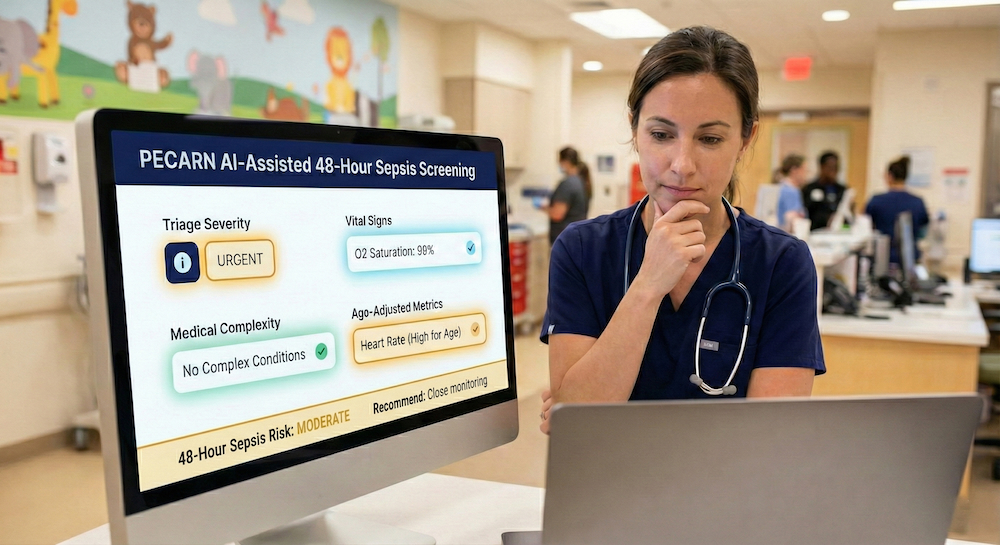
Sepsis kills children. It is a leading cause of pediatric death, with an in-hospital mortality of 5-20% in the United States [1, 2]. Early recognition and treatment improve outcomes, but predicting which emergency department (ED) patients will develop sepsis remains a major clinical challenge. Current sepsis screening tools are designed primarily to identify children who […]
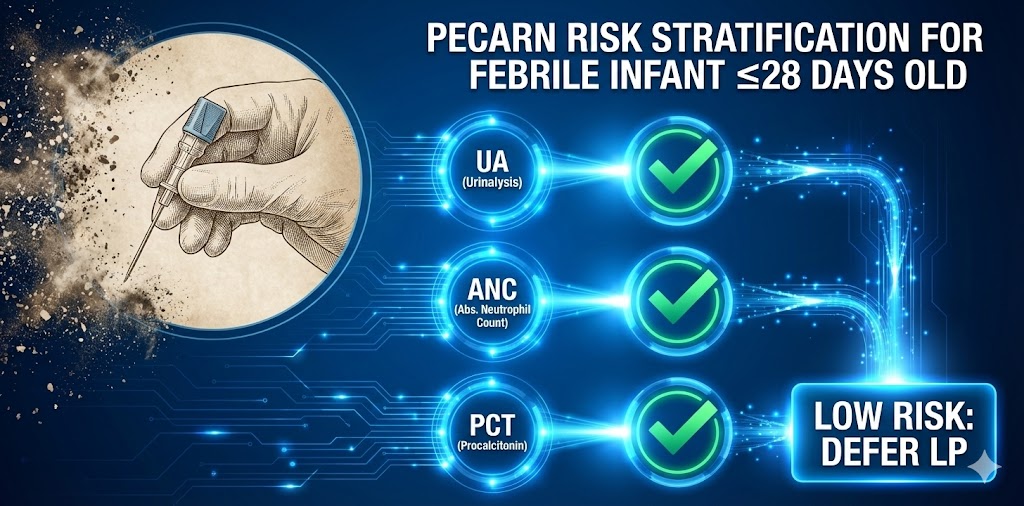
For decades, the teaching in pediatric emergency medicine has been consistent: “Young febrile infants (0-28 days) with fevers get a full sepsis workup.” This traditionally means blood, urine, and cerebrospinal fluid (CSF) cultures, followed by admission and antibiotics. The fear of missing bacterial meningitis—a devastating infection—has driven this aggressive approach. But is a lumbar puncture […]
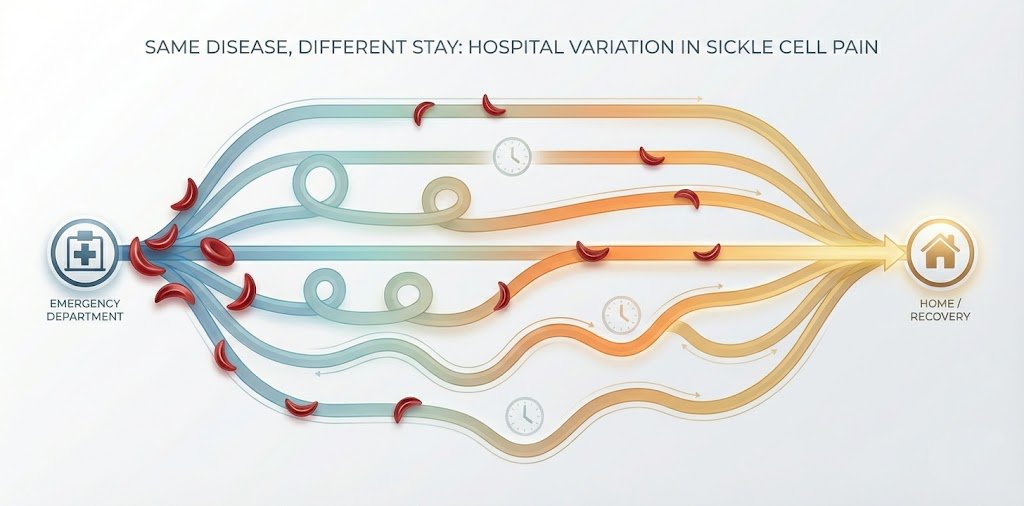
Introduction When a child with sickle cell disease (SCD) arrives at the Emergency Department with a pain crisis, families understandably want to know: how long until we can go home? The answer, it turns out, may depend less on patient characteristics and more on the hospital itself and other characteristics like history of chronic pain […]